ADUs in Melrose, MA: What You Need to Know
If you own a single-family home in Melrose, you now have more options than ever for adding living space to your property. Thanks to a sweeping change in Massachusetts housing law, accessory dwelling units, commonly called ADUs, are now permitted by right across the state, including right here in Melrose. Whether you're looking to bring an aging parent closer, create a rental income stream, or add long-term value to your home, an ADU could be worth a serious look.
Here's what Melrose homeowners need to know before they start planning.
The New Massachusetts ADU Law: What Changed in 2025
The biggest news for Melrose homeowners is this: as of February 2, 2025, you no longer need a special permit or zoning variance to build an ADU. Under the Affordable Homes Act signed by Governor Healey in August 2024, homeowners in single-family zoning districts across Massachusetts can now add one ADU by right, with no special permit required in most cases.
Before this change, adding an in-law apartment in Melrose typically meant navigating a public hearing process, presenting before the Zoning Board of Appeals, and hoping local zoning rules didn't stand in the way. That barrier is now gone for most properties.
As of February 2, 2025, any local zoning provisions that are inconsistent with the new ADU law are unenforceable. Mass.gov That means even if a city or town hasn't updated its local bylaw yet, the state law takes precedence.
Key Rules Under the New Law
There are a few important parameters to understand:
- Size limit: The ADU cannot exceed 900 square feet or 50% of the size of the primary dwelling, whichever is smaller.
- One unit per lot: The law protects only one ADU by right. If you want to build more than one, you'll still need a special permit.
- No owner-occupancy requirement: You don't have to live in the house or the ADU to build or rent one out. Vanderveen Law This opens the door to more flexible investment options.
- Local regulations still apply: Towns can still set rules on setbacks, height, building codes, and design — they just can't ban ADUs outright or make them effectively impossible to build.
- Short-term rentals: The law does allow communities to regulate whether ADUs are used as short-term rentals. MAPC Check with the City of Melrose on its current position regarding Airbnb-style rental use.
Why Melrose Homeowners Are Taking a Second Look
The timing couldn't be better. Melrose is a desirable North Shore community with strong demand for housing and limited inventory. An ADU gives homeowners a way to participate in that market without selling their home or helps solve a personal housing challenge without relocating.
Here are the situations driving most ADU conversations in communities like Melrose right now:
- Aging parents or family members. ADUs can help create multi-generational housing opportunities while giving those generations the comfort of their own living spaces. Having a parent nearby without sharing a front door is something a lot of Melrose families are actively planning for.
- Rental income. With rents remaining high throughout Greater Boston, a well-finished ADU in Melrose can generate meaningful monthly income. That income can offset your mortgage, fund home improvements, or simply provide financial flexibility.
- Adult children returning home. The cost of renting in the Boston area has pushed many young adults back toward their hometowns. A basement or garage apartment gives them independence while keeping them close.
- Aging in place. Some homeowners are building an ADU now with the intention of eventually moving into the smaller unit themselves and renting out or gifting the primary home to a family member.
What Does It Actually Cost to Build an ADU in Melrose?
Costs vary significantly depending on the type of ADU and the condition of the existing space. Here's a general range for the Melrose/Greater Boston market:
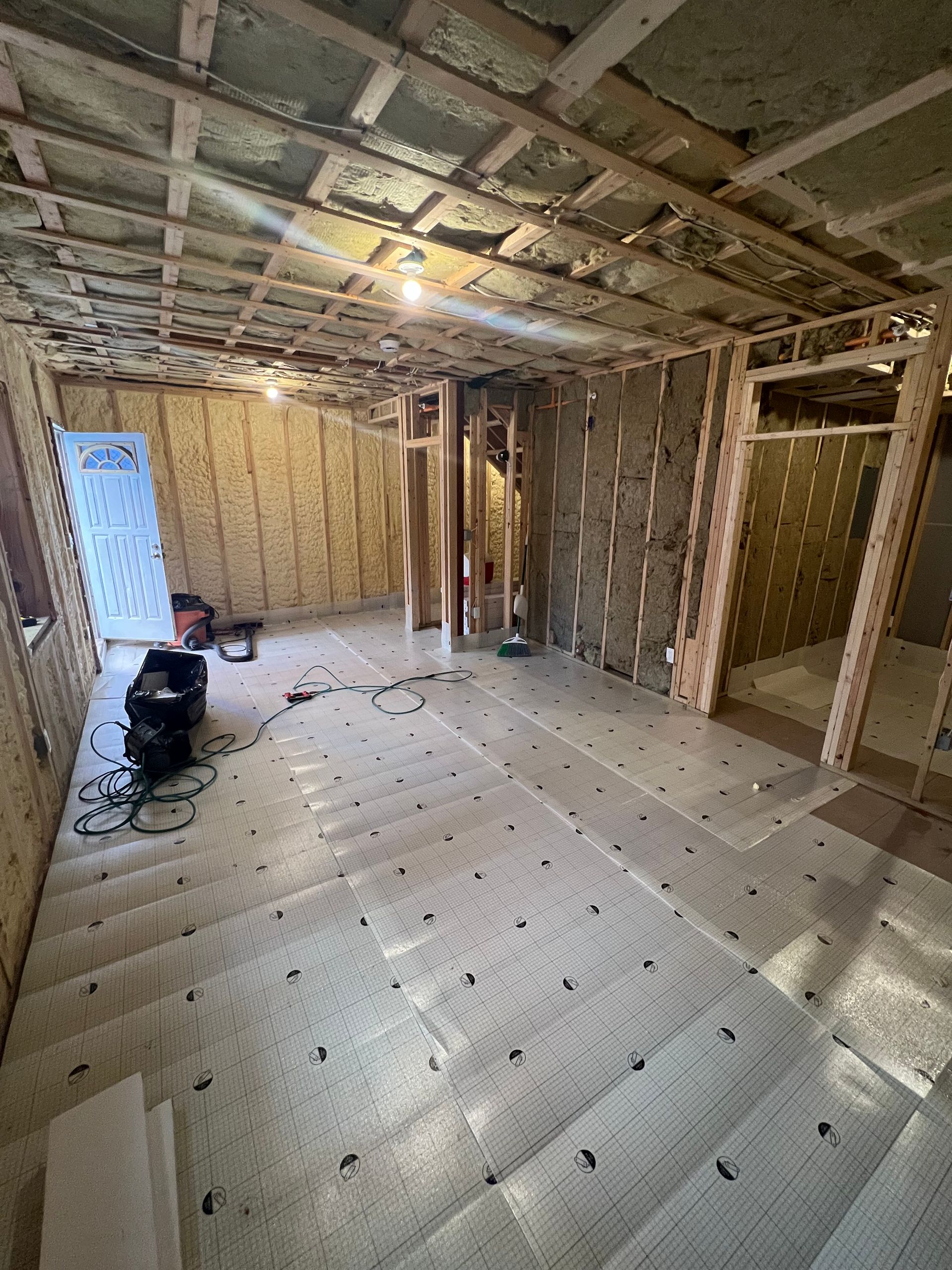
- Basement conversion: $80,000–$150,000+, depending on ceiling height, waterproofing needs, and finish level
- Garage conversion: $70,000–$130,000+, including insulation, HVAC, plumbing, and electrical
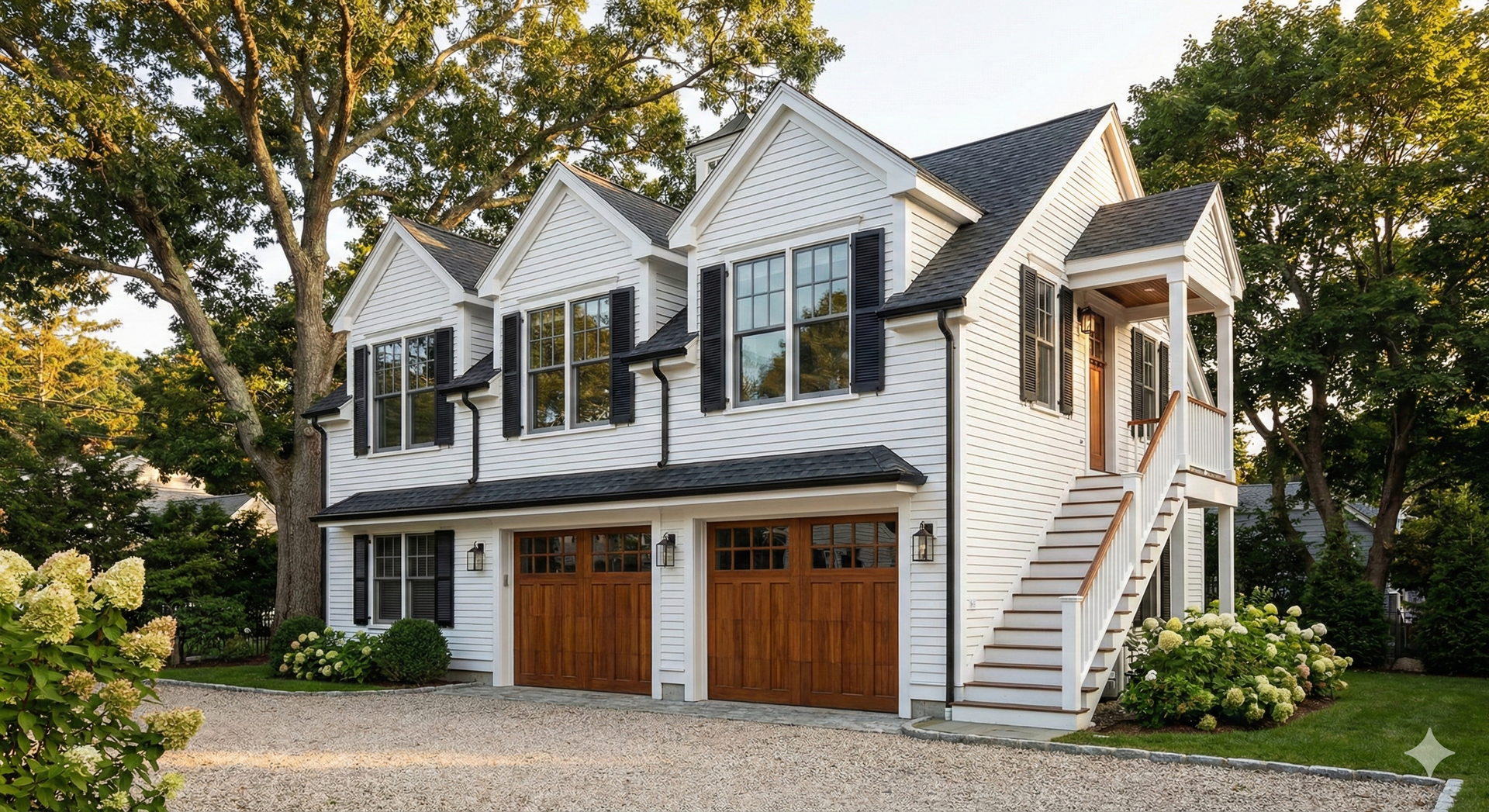
- Above-garage addition: $150,000–$250,000+
- Detached backyard cottage (new construction): $200,000–$350,000+
These are rough estimates, your actual costs will depend heavily on the current state of the space, local labor rates, material selections, and site-specific factors. Older Melrose homes sometimes carry surprises behind the walls: knob-and-tube wiring, insufficient panel capacity, or low basement ceilings that complicate a conversion.
That's why getting a qualified local contractor involved early before you commit to a design is so important. A contractor familiar with Melrose properties can assess your specific situation and help you understand what's realistic within your budget.
The Permitting Process in Melrose
Even with the by-right approval, you'll still need to pull permits. Don't skip this step — unpermitted work creates serious problems when you go to sell or refinance.
The general process looks like this:
- Consult the Melrose Building Department — Get clarity on local dimensional requirements (setbacks, height limits) and confirm your plan is consistent with state ADU rules.
- Hire a designer or architect — For anything beyond a straightforward basement conversion, you'll likely want a set of drawings to submit with your permit application.
- Submit for building permit — Your contractor or designer typically handles this. The building department will review for code compliance.
- Inspections during construction — Expect framing, electrical, plumbing, and insulation inspections as the project progresses.
- Certificate of Occupancy — Once the work is complete and all inspections pass, you'll receive a CO that legally certifies the unit is habitable.
One note specific to Melrose: if your home is on private septic rather than public sewer, you'll need to verify that your system can handle the additional load before adding a second living unit. If your home has a private septic system, you may need to expand or replace it to accommodate additional bedrooms. This is a potential cost that homeowners sometimes overlook.
Also worth noting for the post: Melrose is a Stretch Code community, meaning all new construction and certain renovations must meet higher energy efficiency standards under the 2021 IECC. Your ADU project will need to factor that in — good to know before finalizing your design. You can learn more at the Massachusetts Building Energy Code page on Mass.gov.
Is an ADU Right for Your Melrose Home?
Not every property is a good candidate, and not every homeowner's situation calls for one. Before you start calling contractors, it's worth asking yourself a few honest questions:
- Do you have a basement with adequate ceiling height (ideally 7 feet or more)?
- Is there a logical location for a separate entrance that doesn't compromise the flow of your main living space?
- Can your electrical panel support the added load of a full kitchen and HVAC system?
- What's your realistic budget, and do you have financing in place?
- Do you understand the landlord responsibilities that come with having a tenant?
An ADU is a significant investment, but for the right Melrose homeowner, it's also one of the most versatile home improvements available combining immediate livability improvements with long-term financial upside.
The Bottom Line
The new Massachusetts ADU law has removed the biggest obstacle that used to stand between Melrose homeowners and their plans for a second unit. The zoning fight is over, now the conversation is about finding the right contractor, understanding what your property can realistically support, and building something that works for your specific situation.
If you're exploring the idea of an ADU in Melrose, start by talking to a local contractor experienced in residential conversions and additions. The planning you do upfront will determine whether this project delivers everything you're hoping for.
Have questions about an ADU project in Melrose or the surrounding North Shore communities? Contact us today to get started.
What Is an Accessory Dwelling Unit?
An accessory dwelling unit is a self-contained living space on the same lot as your primary home. It has its own kitchen, bathroom, sleeping area, and separate entrance, essentially a complete, smaller home that shares your property.
ADUs go by a lot of names. In Massachusetts, they've traditionally been called in-law apartments or in-law suites. You might also hear them called granny flats, backyard cottages, secondary suites, or carriage house apartments. Whatever the name, they all refer to the same basic concept: a second, independent dwelling on a single-family lot.
The types of ADUs most common in Melrose-style properties include:
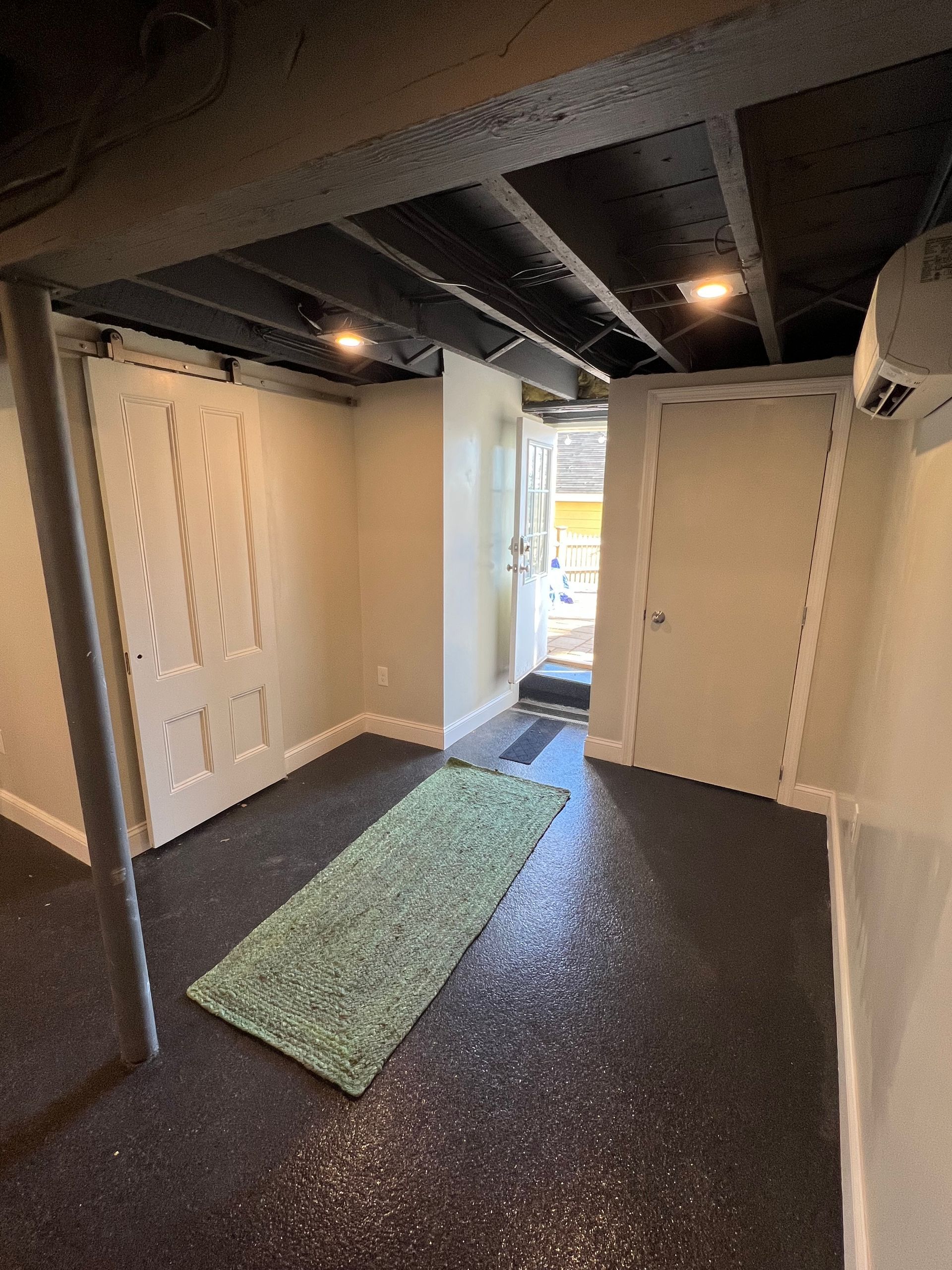
- Basement conversions — finishing and reconfiguring an existing basement into a livable unit with a separate entrance
- Garage conversions — transforming an attached or detached garage into living space
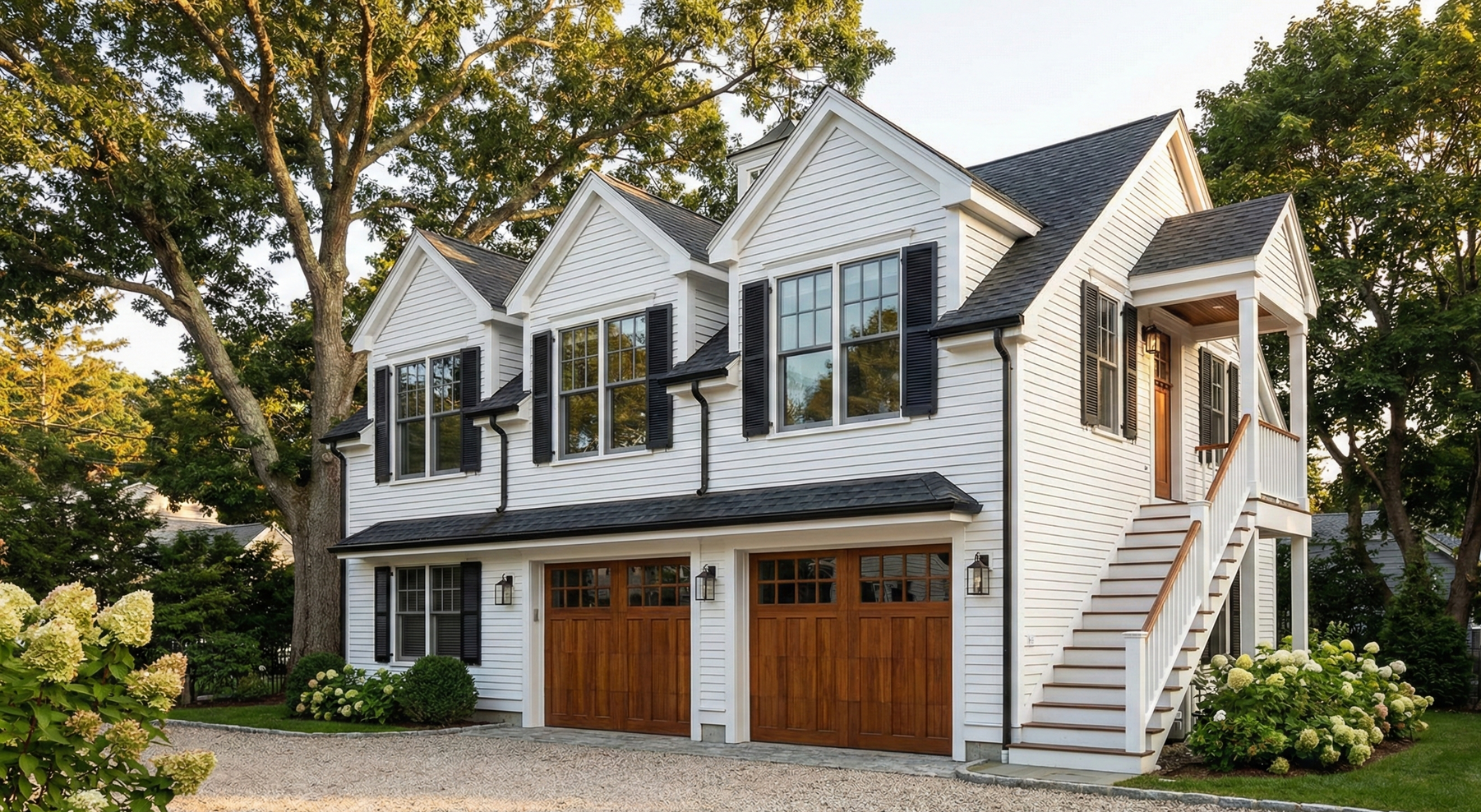
- Above-garage additions — adding a second-floor unit above a garage
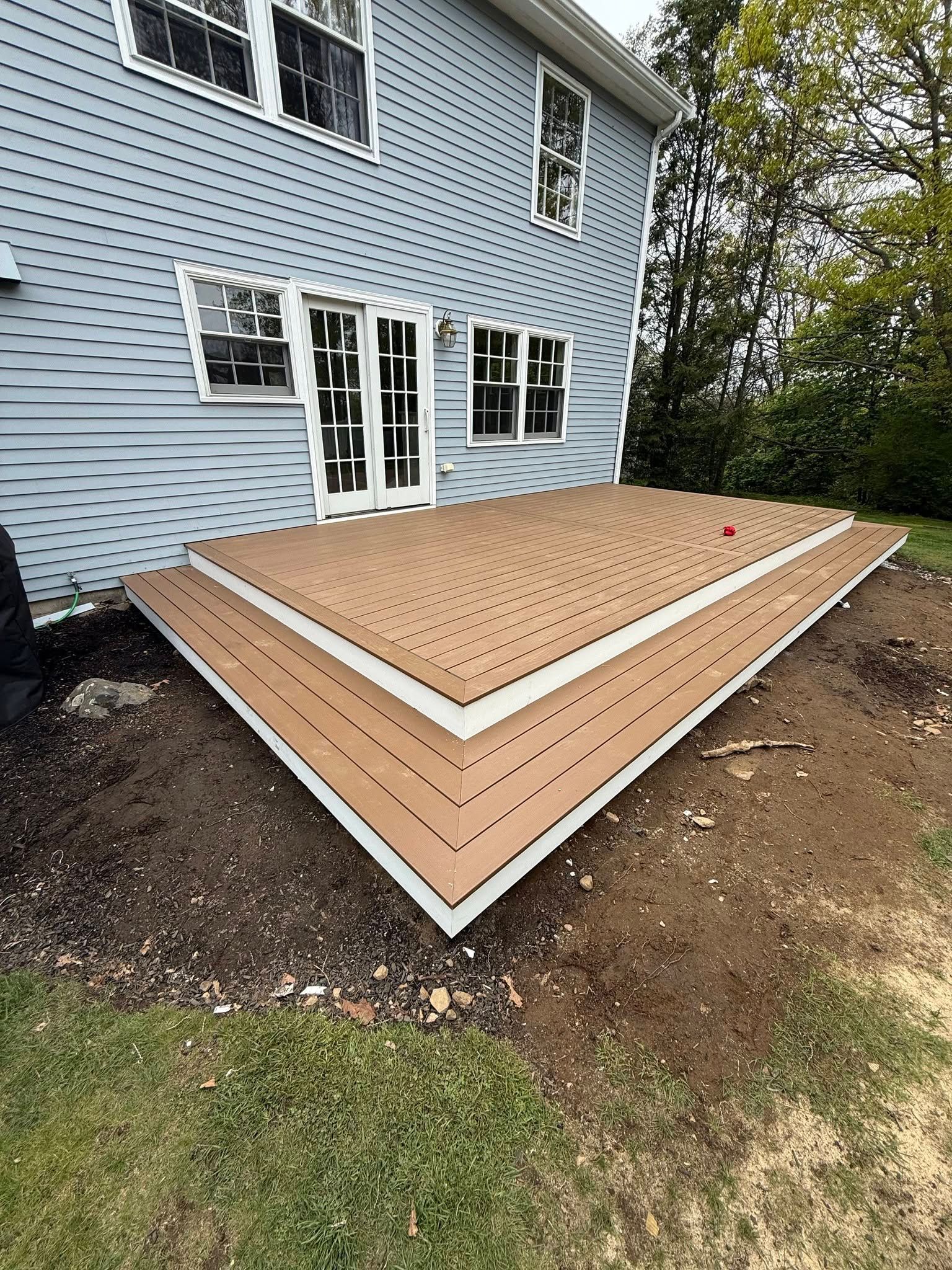
- Home additions — constructing an attached addition to the rear or side of the home
- Detached backyard cottages — a standalone structure built on the property
Given that much of Melrose's housing stock consists of older two-story colonials, Victorians, and capes built in the early-to-mid 20th century, many homes are already well-positioned for a basement or garage conversion with the right contractor.
North Shore Remodeling, Finish Carpentry & ADU Blog | A-Z Finish Carpentry